Semantic Core for a 3D Plastic Manufacturer
How a large filament product range was turned into a clear SEO structure — covering commercial demand by material type, specifications, and application
Discuss a Similar Project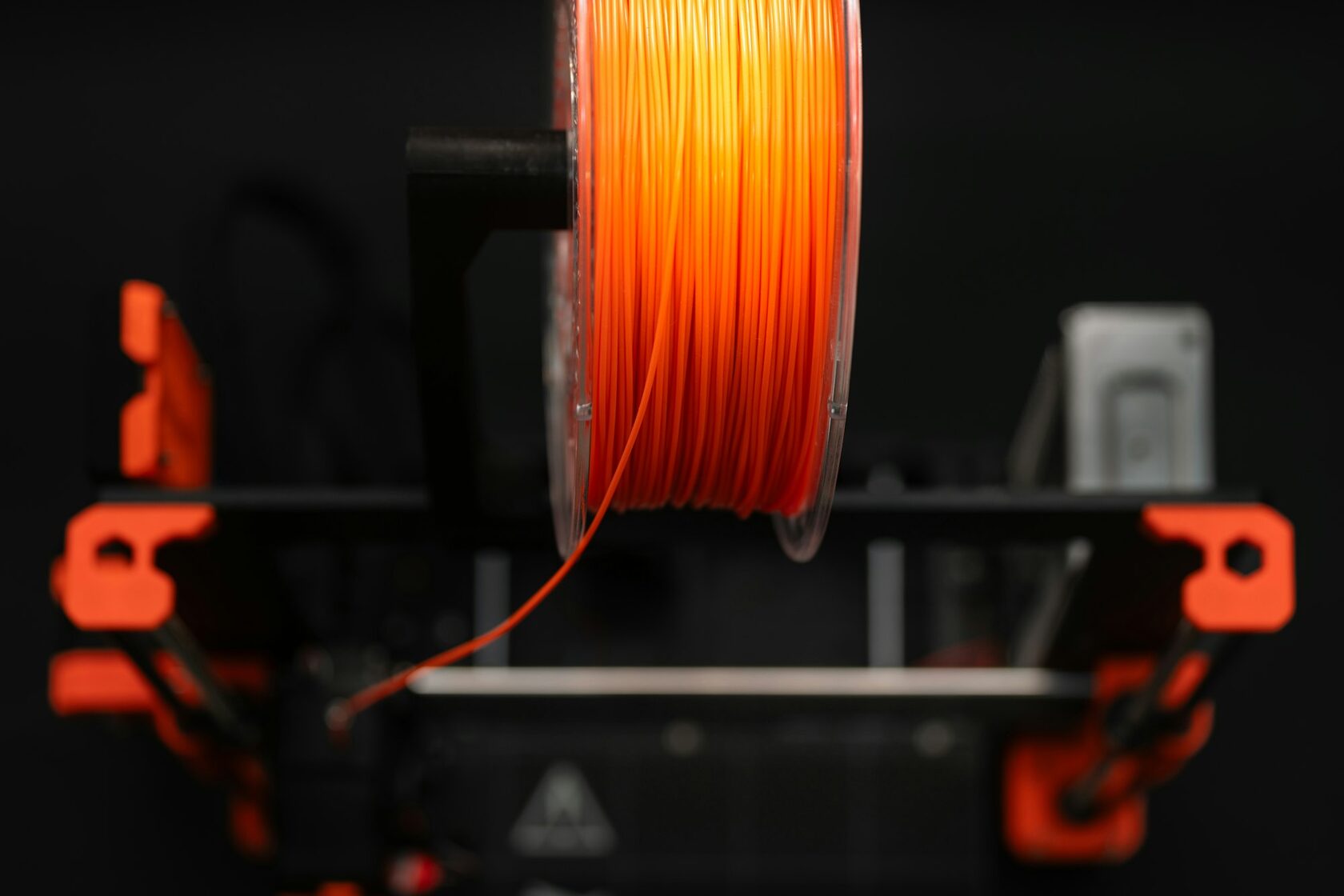
Element3D manufactures and sells 3D printing materials. The product range includes PLA, ABS, PETG, SBS, TPU/FLEX, Nylon, HIPS, PVA, PC and other plastic types. The company serves retail buyers, small wholesale, dealers, and government procurement.
collection
cleanup
clusters
pages
The range exists. The SEO task is to connect it with real search demand
The catalog includes different filament types, diameters, colors, weights, professional and industrial materials. Users search for these products not only by plastic name.
Queries include material type, filament diameter, spool weight, color, properties, intended use, equipment compatibility, supply terms, and order volume.
If all these queries point to a few generic categories, pages start competing with each other, and a significant portion of low- and mid-frequency demand remains uncovered.
The semantics were collected across seven dimensions
Each dimension reflects a real axis of the buyer's decision process — from choosing a plastic type to defining order volume.
PLA, ABS, PETG, SBS, TPU, Nylon, HIPS, PVA, PC
Flexible, durable, transparent, glow-in-the-dark, soluble, heat-resistant
1.75 mm and 2.85 mm
Spools, bulk packs, coils, and starter kits
White, black, natural, transparent, colored, and fluorescent
Hobby, professional, engineering, and industrial 3D printing
Retail, small wholesale, dealers, manufacturers, and government procurement
Not every query containing "plastic" relates to the site's products
Semantic cleanup is not a formality. It determines whether the site attracts buyers — or people interested in ecology.
- plastic for 3D printer
- filament for 3D printing
- buy PLA plastic
- ABS plastic 1.75mm
- PETG for 3D printer
- flexible filament
- plastic for 3D pen
- filament wholesale
- 3D printing plastic manufacturer
- microplastic pollution
- plastic waste recycling
- sheet plastic
- plastic panels
- plastic packaging
- plastic surgery
- 3D printer repair
- free 3D print models
Cleanup protects the site from irrelevant traffic and ensures demand is measured only from potential buyers.
Every search intent gets its own page
Cluster examples from the research. URLs shown as format — to be verified against actual site addresses before implementation.
| Cluster | Intent | Page Type | Target URL |
|---|---|---|---|
| Plastic for 3D printer | General Commercial | Main Category | /plastik-dlya-3d-printera/ |
| PLA plastic | Commercial | Category | /pla/ |
| ABS plastic | Commercial | Category | /abs/ |
| PETG plastic | Commercial | Category | /petg/ |
| Flexible plastic | Commercial | Category | /flex-tpu/ |
| Filament 1.75mm | Commercial | Landing / Filter | /diameter-1-75/ |
| Filament wholesale | B2B Commercial | Wholesale Page | /optom/ |
| How to choose plastic | Informational | Article | /knowledge/kak-vybrat-plastik/ |
The semantics shape the catalog structure
The tree is built not by "what's in stock" but by "how buyers search." Not every filter combination deserves an indexable page — search demand and SERP need to be verified first.
- PLA
- ABS
- PETG
- SBS
- FLEX / TPU
- Nylon
- HIPS
- PVA
- PC
- Flexible
- Durable
- Transparent
- Glow-in-the-dark
- Soluble
- Heat-resistant
- 1.75 mm
- 2.85 mm
- Wholesale
- Dealers
- Government Procurement
- Custom Material Selection
- Material Comparison
- Printing Instructions
- Print Temperature Guide
- Choosing Material for Your Project
- Troubleshooting Print Issues
The result is not a keyword list — it's an implementation roadmap
A fragment of the mapping table. Each row represents a specific page tied to queries, intent, and implementation status.
| Cluster | Primary Query | Volume | Intent | Current URL | Target URL | Page Type | Status | Priority |
|---|---|---|---|---|---|---|---|---|
| PLA plastic | pla plastic for 3d printer | — | Commercial | — | /pla/ | Category | Create New | 1 |
| Filament wholesale | filament wholesale | — | B2B | — | /optom/ | Wholesale | Create New | 1 |
| Main category | plastic for 3d printer | — | Commercial | /catalog/ | /plastik-dlya-3d-printera/ | Main Category | Optimize | 1 |
| How to choose | how to choose plastic for 3d printing | — | Informational | — | /knowledge/kak-vybrat/ | Article | Create New | 2 |
| Intent duplicate | buy PLA plastic | — | Commercial | /pla-krasnyj/ | /pla/ | — | Merge | 2 |
| Irrelevant | microplastic pollution | — | — | /info/eco/ | — | — | Block Indexing | 3 |
Statuses: page exists · needs optimization · create new · merge · block from indexing · verify against SERP. Volume data to be filled after Yandex Wordstat / Webmaster integration.
The semantic core becomes the store's development plan
The team receives not an abstract keyword list, but a concrete plan: which pages to optimize, which to create, and which to keep out of indexing.
The team understands which pages to optimize, which to create, and which should not be opened for indexing. Content and catalog grow not by random topics, but based on search demand and the actual product range.
How to estimate potential after implementation
Before pages are published and analytics data is collected, any numbers are a model, not a fact. Below is a projection model for a site of this scale.
What's included in this work
Full cycle — from product range analysis to a ready page map with implementation priorities.
- 01 Product range and business direction analysis
- 02 Base and expanding query collection
- 03 Search volume verification
- 04 Irrelevant semantics cleanup
- 05 Commercial vs. informational demand separation
- 06 SERP-based clustering
- 07 Query-to-current-URL mapping
- 08 New landing page design
- 09 Title, Description, and H1 preparation
- 10 Content plan development
- 11 Internal linking architecture
- 12 Implementation priority ranking
Need a site structure based on real search demand?
We collect and verify semantics, distribute queries across pages, and prepare a clear plan for developing your e-commerce site.